
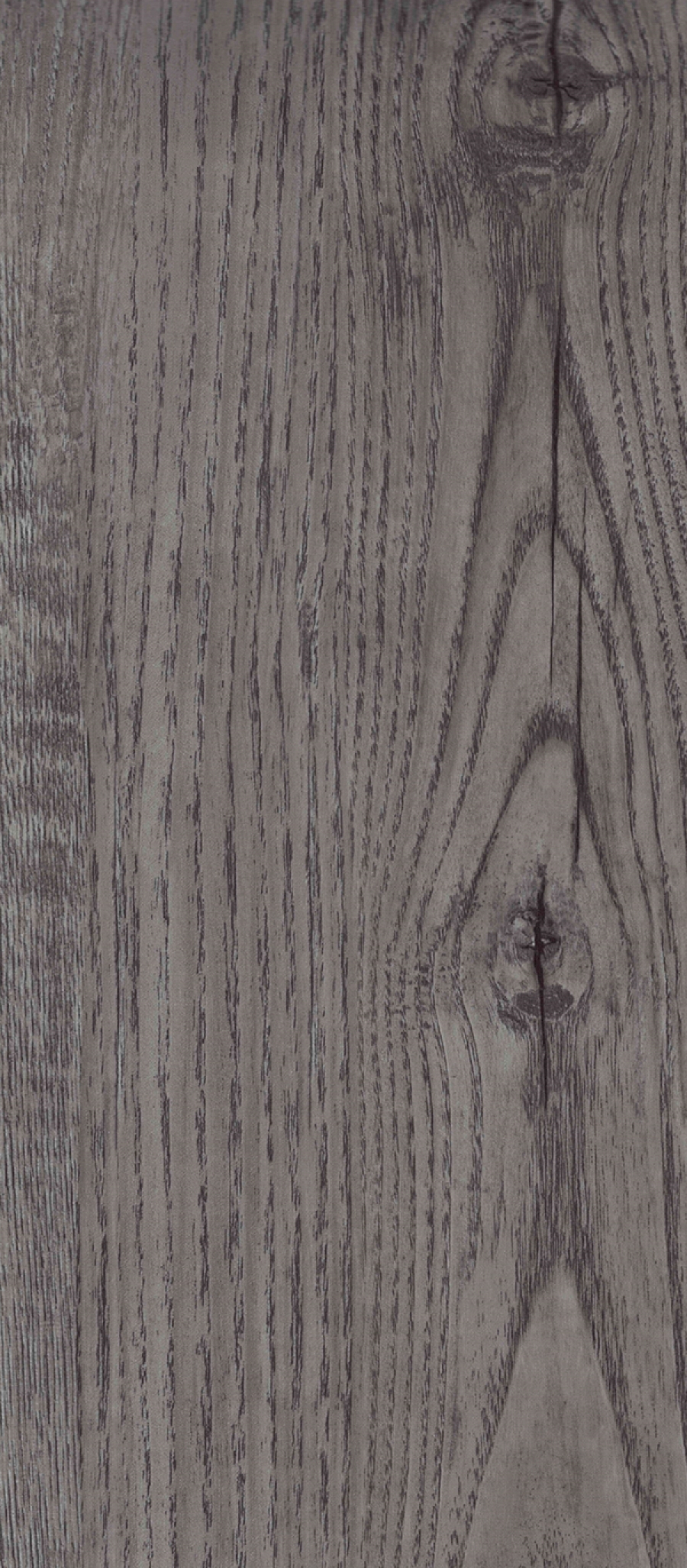
- Артикул 3200 NORDIC ASH
- Толщина материала 2.5 мм
- Размер планок 184.2 мм X 1219.2 мм
- Количество в упаковке 3,37 м2 (15 шт.)
Опубликовано в
Wood

Последнее от Super User
59135 комментарии
-
Комментировать
 Среда, 28 Август 2024 05:31
написал
Ремонт смартфонов
Профессиональный сервисный центр по ремонту сотовых телефонов, смартфонов и мобильных устройств.
Мы предлагаем: ремонт телефонов
Наши мастера оперативно устранят неисправности вашего устройства в сервисе или с выездом на дом! -
Комментировать
 Среда, 28 Август 2024 04:10
написал Thomasgah
In Malta, it is possible to incorporate a closed and a public limited company. The minimum share capital of a public company is €46600 and €1200 for a private company. At the time of incorporation, at least 25 per cent of the capital of a public limited company and 20 per cent of the capital of a private limited company must be paid up.
Taxation
Profits earned by a resident company, whether in Malta or abroad, are subject to income tax at the rate of 35%. However, Malta does not impose tax on dividends, interest and royalties remitted abroad (no withholding tax) and Malta has no transfer pricing or thin capitalisation rules.
(transfer pricing-the sale of goods or services to interdependent persons at intracompany, non-market prices. They allow the redistribution of the total profits of a group of persons in favour of persons in lower tax states. This is the simplest and most common scheme of international tax planning aimed at minimising taxes paid;
thin capitalisation – when the company’s activities are financed by borrowed funds).
Value Added Tax is levied on the sale of goods, works and services in Malta. The VAT rate on the island is 18%. Some goods are subject to preferential rates of 5% (e.g. printed publications, hotel services) and 0% (medicines and foodstuffs). There is no property tax and there is no turnover tax on the transfer of shares in companies owned by non-residents. Malta also has no exchange control legislation and a Maltese company can conduct its economic activities in any currency in the world. -
Комментировать
Среда, 28 Август 2024 02:51
написал Thomasgah
Les avocats et conseillers financiers Fintech de RUE (Regulated United Europe) ont cree un blog ou ils publient les dernieres modifications de la legislation des pays europeens dans le domaine de la crypto-monnaie et du VASP (Virtual Asset Fournisseur de services) pour la commodite et l’information de tous ceux qui s’interessent a la legislation europeenne sur les crypto-monnaies. Nous basons nos articles sur des sujets importants pour les entrepreneurs d’aujourd’hui travaillant dans le domaine de la crypto-monnaie, des projets fintech, de la blockchain et des entreprises liees a l’informatique. Si vous ne trouvez pas les informations qui vous interessent sur notre blog, veuillez nous contacter de la maniere qui vous convient.
-
Комментировать
 Среда, 28 Август 2024 01:28
написал
Michaelner
In Malta, it is possible to incorporate a closed and a public limited company. The minimum share capital of a public company is €46600 and €1200 for a private company. At the time of incorporation, at least 25 per cent of the capital of a public limited company and 20 per cent of the capital of a private limited company must be paid up.
Taxation
Profits earned by a resident company, whether in Malta or abroad, are subject to income tax at the rate of 35%. However, Malta does not impose tax on dividends, interest and royalties remitted abroad (no withholding tax) and Malta has no transfer pricing or thin capitalisation rules.
(transfer pricing-the sale of goods or services to interdependent persons at intracompany, non-market prices. They allow the redistribution of the total profits of a group of persons in favour of persons in lower tax states. This is the simplest and most common scheme of international tax planning aimed at minimising taxes paid;
thin capitalisation – when the company’s activities are financed by borrowed funds).
Value Added Tax is levied on the sale of goods, works and services in Malta. The VAT rate on the island is 18%. Some goods are subject to preferential rates of 5% (e.g. printed publications, hotel services) and 0% (medicines and foodstuffs). There is no property tax and there is no turnover tax on the transfer of shares in companies owned by non-residents. Malta also has no exchange control legislation and a Maltese company can conduct its economic activities in any currency in the world. -
Комментировать
 Среда, 28 Август 2024 01:27
написал Glennkeype
It would seem that Maltese taxation is quite severe and the corporate income tax rate does not suggest that Malta is a low tax jurisdiction. However, this is not the case. The fact is that non-resident companies in Malta are entitled to a refund of taxes paid, which allows us to talk about the lower level of taxation in Malta compared to most countries in the world.
In order to claim a corporate income tax refund, a foreign company must be registered in Malta as a trading or holding company (deriving its income from trading activities or from participation in other organisations, respectively).
In the tax accounting of a Maltese company, the income earned by it must be recorded in one of four tax accounts: “foreign profits”, “Maltese profits”, “profits from immovable property”, “non-taxable income”. Each type of income is taxed according to its own rules. The final amount of tax is recorded in the fifth account “final tax”.
Example. Consider the two most common cases: a Maltese company derives profits from trading activities abroad and from participation in other companies. In either case, these profits are subject to statutory tax at 35 per cent, but the Maltese shareholders are entitled to claim a refund of the tax taken from the dividends distributed. The refund rules differ for different types of income.
If a Maltese company derives income from trading activities outside Malta (and the term “trading” includes both the direct purchase and sale of goods and the provision of services), its shareholders are entitled, upon receipt of the dividend, to apply for a refund of 6/7th of the tax previously paid in Malta. Therefore, the effective income tax rate will be 5 per cent. -
Комментировать
Среда, 28 Август 2024 00:11
написал Glennkeype
Chez Regulated United Europe , nous reconnaissons que l’efficacite de notre travail depend des efforts collectifs de chaque membre de l’equipe. Notre vision est centree sur le soutien mutuel et la collaboration quotidienne, motives par l’engagement avec les clients, les partenaires et les collegues. Nous integrons les valeurs d’entreprise dans tous les aspects de nos operations, en mettant l’accent sur l’importance de fixer des objectifs realistes, d’assumer la responsabilite d’entreprise des decisions de l’equipe et de mener a bien les projets.
Approche individuelle
Nous sommes fiers de servir des clients d’origines ethniques diverses et considerons notre mission comme favorisant leur integration a l’avant-garde du monde des affaires europeen. S’adapter rapidement aux fluctuations du secteur et relever divers defis font partie integrante de notre approche. De plus, nous respectons une ethique professionnelle stricte, estimant qu’elle est essentielle a une cooperation fructueuse. Nos services sont adaptes pour repondre aux besoins specifiques des clients internationaux et peuvent etre personnalises sur demande individuelle.
Dynamique
Dans un paysage mondial en constante evolution, Regulated United Europe reste agile et reactif. Nous accordons la priorite a l’efficacite pour honorer le temps de nos clients, en fournissant rapidement des services d’entreprise, comptables et juridiques. En periode de volatilite, l’agilite d’une entreprise definit son succes, et nous nous engageons a fournir un service de qualite dans les plus brefs delais. Ainsi, nous nous efforcons de repondre a toutes les demandes des clients en quelques heures. -
Комментировать
Среда, 28 Август 2024 00:11
написал
Michaelner
It would seem that Maltese taxation is quite severe and the corporate income tax rate does not suggest that Malta is a low tax jurisdiction. However, this is not the case. The fact is that non-resident companies in Malta are entitled to a refund of taxes paid, which allows us to talk about the lower level of taxation in Malta compared to most countries in the world.
In order to claim a corporate income tax refund, a foreign company must be registered in Malta as a trading or holding company (deriving its income from trading activities or from participation in other organisations, respectively).
In the tax accounting of a Maltese company, the income earned by it must be recorded in one of four tax accounts: “foreign profits”, “Maltese profits”, “profits from immovable property”, “non-taxable income”. Each type of income is taxed according to its own rules. The final amount of tax is recorded in the fifth account “final tax”.
Example. Consider the two most common cases: a Maltese company derives profits from trading activities abroad and from participation in other companies. In either case, these profits are subject to statutory tax at 35 per cent, but the Maltese shareholders are entitled to claim a refund of the tax taken from the dividends distributed. The refund rules differ for different types of income.
If a Maltese company derives income from trading activities outside Malta (and the term “trading” includes both the direct purchase and sale of goods and the provision of services), its shareholders are entitled, upon receipt of the dividend, to apply for a refund of 6/7th of the tax previously paid in Malta. Therefore, the effective income tax rate will be 5 per cent. -
Комментировать
Вторник, 27 Август 2024 23:57
написал
Michaelner
Regulated United Europe offers complex services for bank account opening in Europe both for personal and corporate use. Also, we will be glad to offer assistance in merchant account opening. Our skilled team will prepare a detailed offer based on your needs and/or project. These days the financial borders are opening more each day, this allows one to open a bank account anywhere in the world absolutely online. It is very important that at the starting point the client understands the procedure for opening a bank account, and prepares the needed documents, how it is required by the bank or an online payment service provider. From our side, we can guarantee that we will make the procedure for the bank account opening comfortable and stress-free.
-
Комментировать
Вторник, 27 Август 2024 23:57
написал Glennkeype
In recent years, Europe has become one of the most attractive regions for international business due to its stable economic environment, developed infrastructure and favourable legislation. For foreign entrepreneurs wishing to open a company in Europe, one of the key aspects is opening a bank account, which is a prerequisite for business activities. Below is a detailed overview of the process of company registration and opening a bank account in Europe.
Step 1: Choosing a jurisdiction
The first step is to choose a country for business registration. Among the popular destinations are Germany, the Netherlands, Estonia and Ireland. Each country has its own peculiarities of business registration, taxation and banking. It is recommended to analyse the market, study local legislation and tax rates, and assess the political and economic stability of the country.
Step 2: Company registration
The process of incorporating a company in Europe usually involves submitting an application to the local registration authority, paying registration fees and providing the necessary documents such as incorporation documents, directors’ and shareholders’ details. In some countries, such as Estonia, this process can be fully automated and completed online. -
Комментировать
Вторник, 27 Август 2024 23:35
написал
Michaelner
We always move forward and are finding new partnership options within the most progressive and safe EMIs and banks in the European region. Moreover, we are trying to provide the best quality service for our customers. We highly value that our clients receive desired service in the shortest time possible without any difficulties. Regulated United Europe follows GDPR and stores all the clients’ information in strict confidentiality. By working with us, you can be sure that your personal data is safe and secure.


